
 Image 1 of 13
 Image 2 of 13
 Image 3 of 13
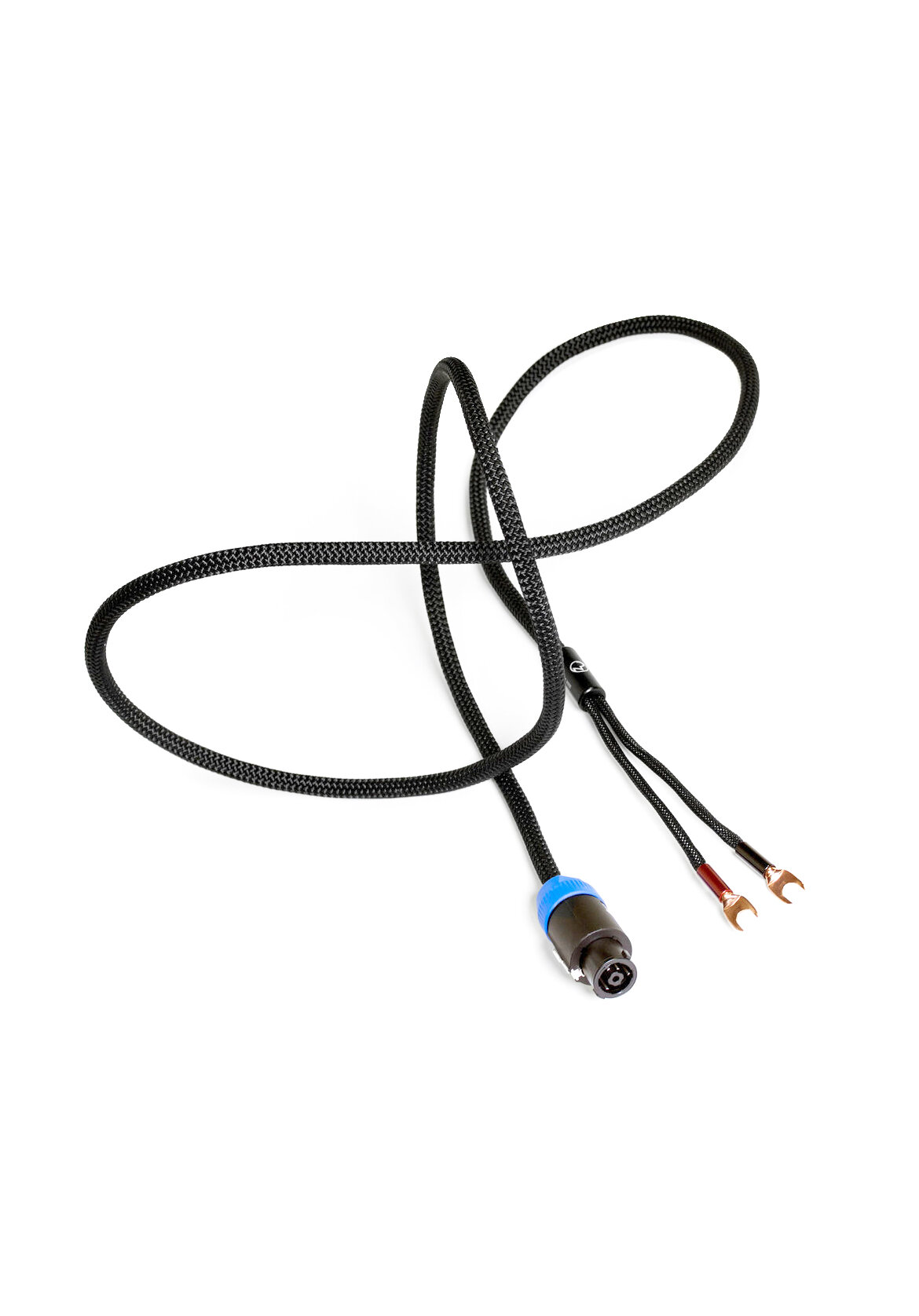 Image 4 of 13
 Image 5 of 13
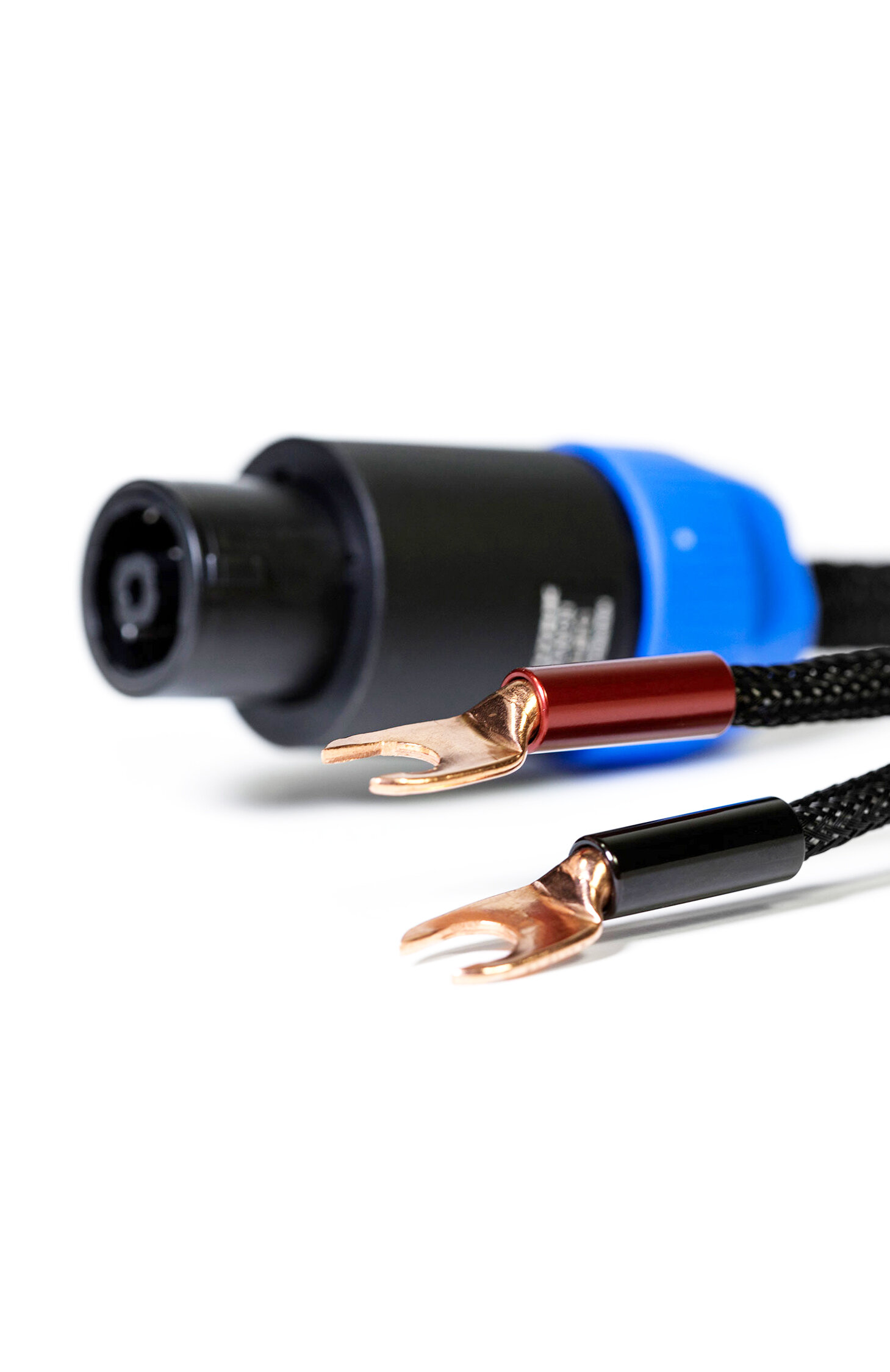 Image 6 of 13
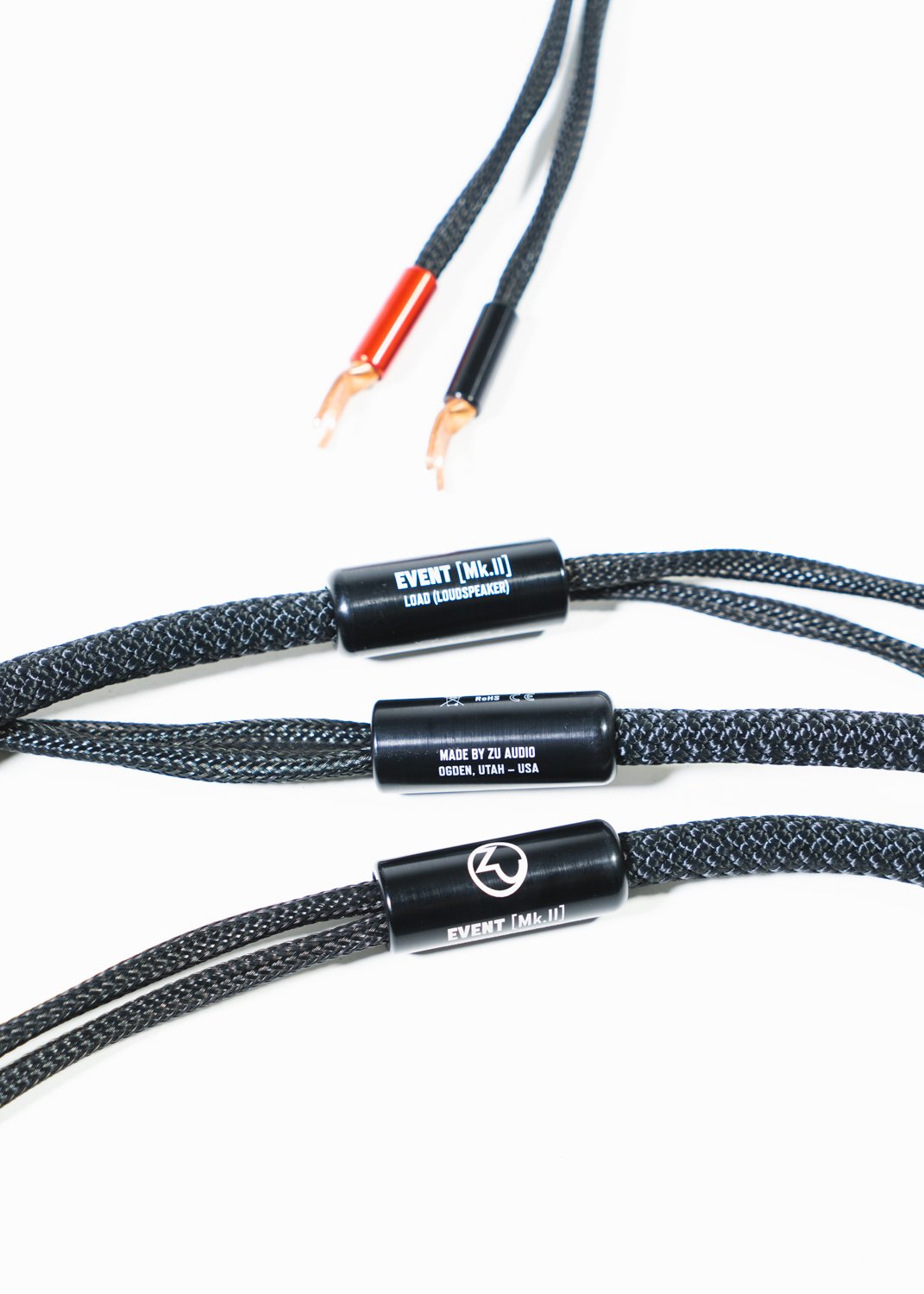 Image 7 of 13
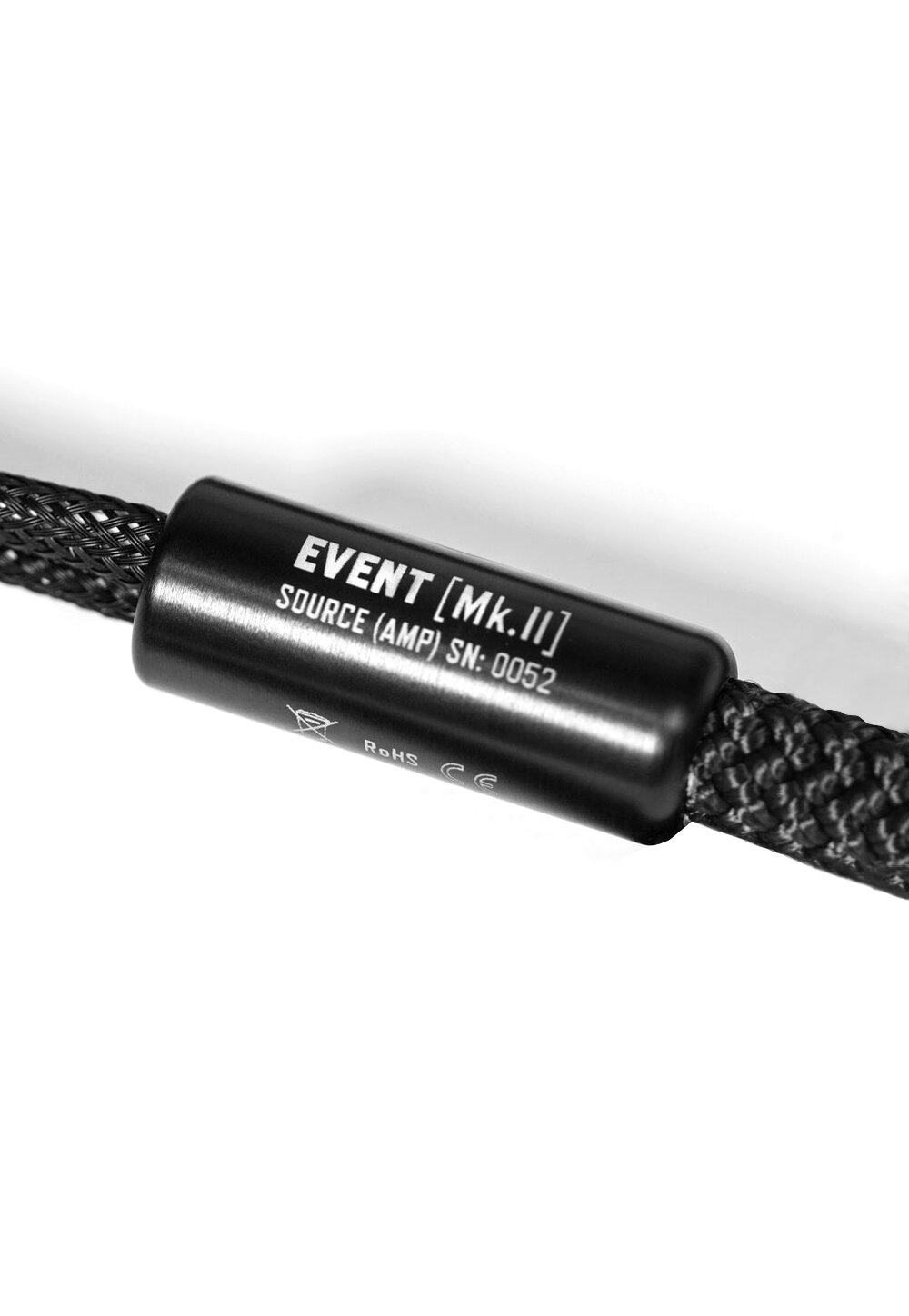 Image 8 of 13
 Image 9 of 13
 Image 10 of 13
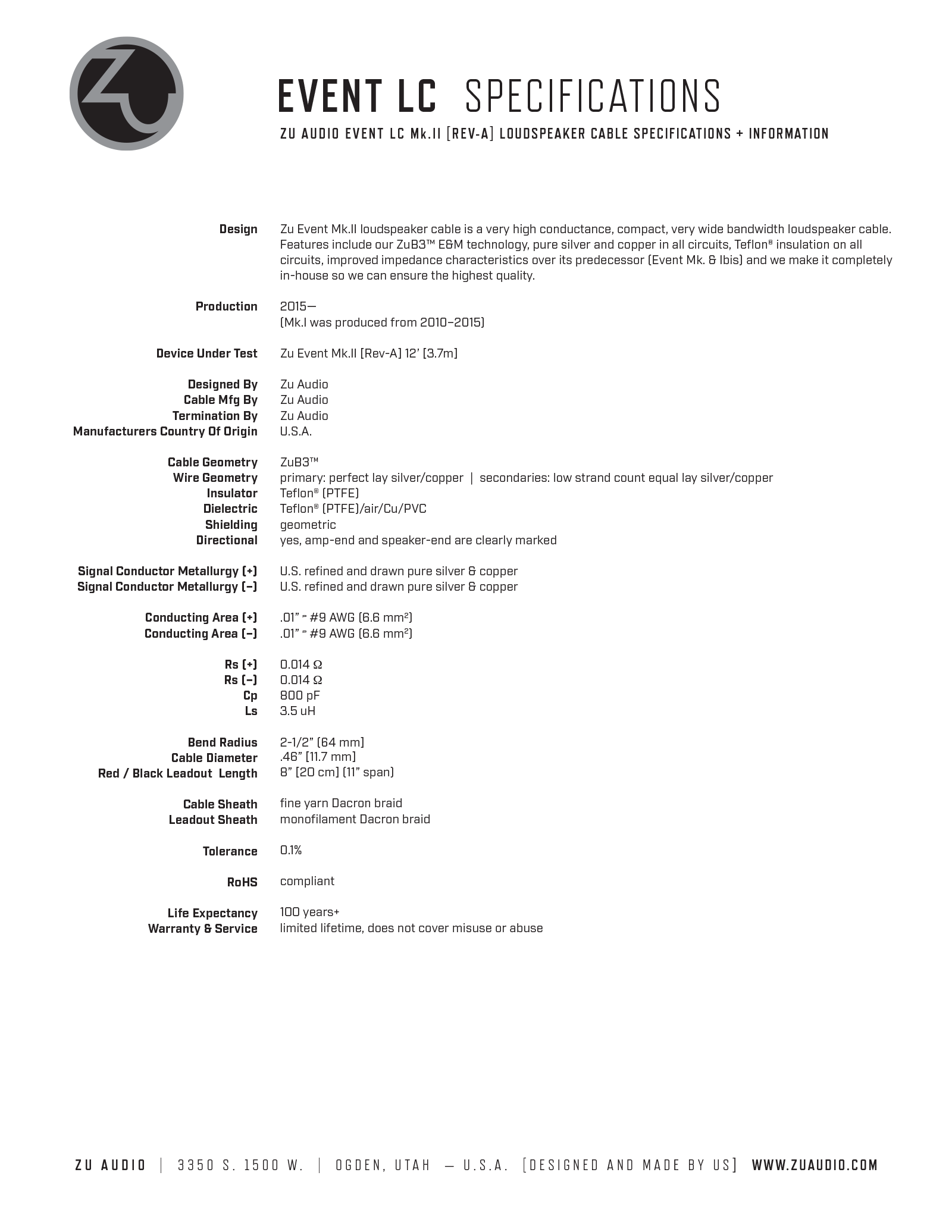 Image 11 of 13
 Image 12 of 13
 Image 13 of 13
Goals for the Event-LC Mk.II were to meet or exceed the resolution of intelligence realized in our Ibis loudspeaker cable of years gone by and still retain the tone and relaxed nature we made with the original Event loudspeaker cable (Mk.I). After lots of time, engineering and testing, we introduce Event-LC Mk.II.
How did we find more resolution and better tone? The majority of our engineering and testing was centered around the dynamic impedance characteristics of the cable, and it was while on this Smith Chart path that we discovered ways to realize E&M and sonic targets while reducing noise and increasing the dynamic range. We introduced more air into the dielectric space, increased DC conductance and the silver to copper ratio decrease (more silver), and improved RF shielding through materials and process engineering. This wasn’t all done at once, there was a good bit of round-n-round and thousands of hours of burn-in and testing, with several years bracketing the project—as mentioned, there was a lot of time and effort put into this new loudspeaker cable.
As ever with Zu products, design and engineering were only serving “how does it sound” listening/living tests, and much more than the typical afternoon half-baked hi-fi get together—each change was first fully burned in and then lived with, notes compared over weeks and sometimes months. Critical ears include Phil Ressler and Dave Sykes, early beta and feedback also from Todd Coleman and Archie Simons (thanks men).
Connector Options
Spades ¼ inch [6.3mm] regarded as the standard size and references the inside diameter, or binding post shaft size. Most amps take this size. If your binding posts have full plastic encapsulation and a slit for you to slide the spade through, ¼ inch is very likely the right fit. Our ¼ inch spade has an outside width of 7/16 inch [11mm].
Spades 5/16 inch [8mm] regarded as oversized. This is a common size for loudspeakers, but most loudspeakers accept both standard ¼ inch [6.3mm] and oversized 5/16 inch [8mm] spades. That said, if your loudspeaker feature binding posts that are fully encapsulated with plastic, with a slit-window for you to pass the spade lug through, then you should reachout to the maker of the speakers to find out which size will work. Our 5/16 inch [8mm] spade has an outside width of 5/8 inch [15.9mm].
Banana—the common banana plug. Fits banana socket size 5/32 - 3/16 inch [4.0 - 4.7mm].
Bare Wire - bare wire with the tip tinned.
ZuB3 (Zu loudspeakers that have this connection benefit from using it.
Directionality
[Amp] marked end connects to amp, [Speaker] marked end connects to loudspeaker. We pay close attention to direction of manufacture of all points, from wire to cable. Correct connecting ensures best sound, matching channel fidelity and increased burn-in speed.
Burn-in
Event-LC Mk.II will require a good bit of play before it’s fully burned in, roughly 400 hours. We do not recommend any burn-in devices or special recordings. We do recommend music you enjoy, preferably upbeat full spectrum recordings: rock, roots, full orchestra, big band.... For the possible how and whys about burn-in please see our Answers section.
Maintenance
No maintenance is required for the cable—terminals and connections are discussed below. If spills or pets happen (pets…) any household cleaner may be used without causing harm.
Termination and Connection Details for Event-LC
Connectors serve several functions—facilitating easy hookup of your gear being primary. But close to easy of use is the need for good electrical and mechanical connection over time and under your environmental conditions. Since this is a home audio product, the environment is assumed to be your home, which is not as uniform as you might initially think. Those that live on or near the coast contend with salt air, which significantly increases corrosion rates. But even if you don’t live “close” to the sea, say you live as far as a mile [1.6 km] from the coast but still get a sea breeze, you could notice the effects of sea air. Some connections need maintenance, others don’t. Here’s an overview of the termination offered for Event-LC.
Spades [Forks]
Spades offered for Event-LC Mk.II are the tried and true pure copper spades we have been making and cold forging (very high pressure crimp) to our speaker cables since 2000. As we terminate them, they are the highest conductance of any terminal. They are also thin enough to work with plastic encapsulated binding posts, the ones that require you to slide the spade through a slit in the plastic. Our pure copper forged spade does require you to clean as you would bare wire.
Maintenance Schedule - How often depends on where you live and the mechanical qualities of the binding post-to-spade connection. High desert dwellers should inspect and clean them every time they are disconnected and reconnected, or every five to ten years. Those living right on the seaboard should inspect and clean the spades every time they are disconnected and reconnected, or twice a year. Those living within a mile or so of the sea [a kilometer or two], but without much of a sea breeze should make cleaning them an annual habit. For everyone else, every other year is enough. We recommend Cape Cod Polish for copper, silver and plated contacts.
Banana Plugs
Event-LC Mk.III are built with silver plated Deltron banana plugs when “banana” is selected—they may be the best sounding banana plug out, and they are not stupid expensive.
Maintenance Schedule - None really, but look them over whenever you disconnect them. Silver tarnish is not such a big deal as it is still highly conductive, but if you do have a bit of black on them, Cape Code Polish and a clean cotton cloth will make them bright again.
Bare Wire
Bare Wire on Mission-LC Mk.III is prepped with 3/4” [19mm] lead length and has the tips “tinned” with 4% silver bearing lead-free solder.
Pros - Bare wire has the best conductivity (DCr) generally. And as there’s no wire-side connector, bare wire is less money. In some situations, the mechanical flexibility offered by bare wire connection is desirable.
Cons - Bare wire can be a bit fiddly to connect up, particularly in tight spaces. Bare wire connections require maintenance as they are more susceptible to corrosion.
Maintenance Schedule - Bare wire requires inspection and cleaning. How often depends on where you live and the mechanical qualities of the connection. High desert dwellers that have a good bare wire connection should inspect and clean the bare wire ends every time they are disconnected and reconnected, or every five to ten years. Those living right on the seaboard should inspect and clean the bare wire ends every time the ends are disconnected and reconnected, or twice a year. Those living within a mile of the sea, but without much of a sea breeze should make it an annual habit. For everyone else, every other year is enough. We recommend Cape Cod Polish for cleaning bare wire.
ZuB3
ZuB3 termination is the ideal connection for Zu loudspeakers that feature this connection. The connection is as conductive as bare wire, and has electrodynamics profiles that best matches Zu speaker cables and speakers. The connection is also resistive to corrosion and self cleaning—every time you break and make a connection the contacts are wiped clean. More about this connection is found here. The ZuB3 connection is only offered at the speaker end.
There are no cons to this connection save a bit of cost, and the size of the connector if you are needing to run the cable through an opening in the wall or furniture.
Maintenance Schedule - None
